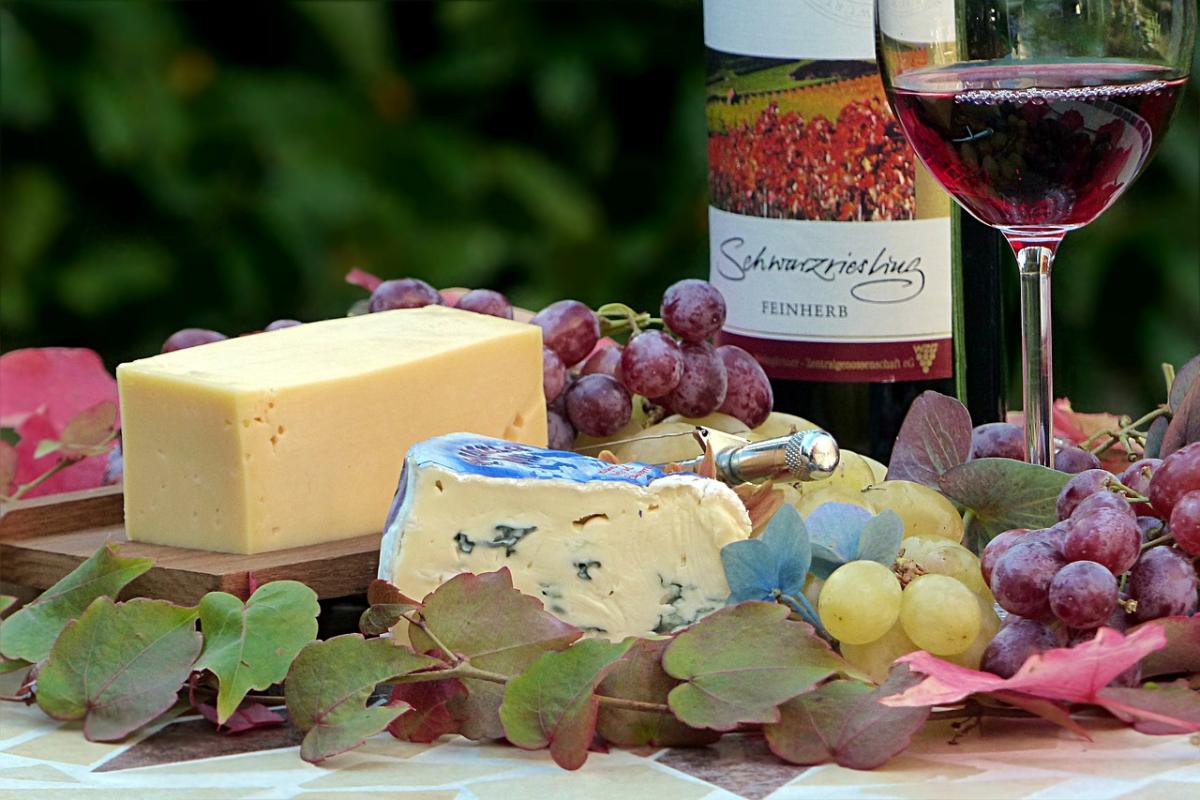
If you’re a cheese lover, you know there’s a world of tasty options waiting for you. Artisan cheeses aren’t just about fancy labels—they offer unique flavors and textures that can elevate any meal or snack. Let’s dive into some types that you’ll absolutely love.
1. Brie: This classic soft cheese is creamy with a mild, buttery flavor. It pairs perfectly with crusty bread and a drizzle of honey. Serve it with some fresh fruit for a touch of sweetness that really brings out its richness.
2. Aged Gouda: If you enjoy a firmer cheese, aged Gouda is where it’s at. It comes with a sweet and nutty taste, plus those delightful crunchy crystals. Try it on a charcuterie board or with a glass of red wine for a truly indulgent experience.
3. Gorgonzola: This blue cheese packs a punch! With its bold flavor and creamy texture, it’s perfect crumbled over salads or melted into pasta dishes. If you love strong cheeses, Gorgonzola is your new best friend.
4. Gruyère: Known for its melt-in-your-mouth quality, Gruyère is fantastic in fondue or on a classic French onion soup. Its nutty, slightly sweet flavor is comforting and pairs well with a variety of foods. Try it in a grilled cheese sandwich for a delicious twist!
Pairing Cheese with Wine and More
Pairing cheese with the right drink can take your tasting experience to the next level. Whether you're sipping wine, beer, or even cider, there's a perfect cheese that can elevate those flavors. It’s all about balance, so let's explore some fun combinations.
For a classic match, try pairing soft cheeses like Brie or Camembert with a fruity white wine, such as Chardonnay. The creaminess of the cheese mingles beautifully with the wine's notes of apples and pears. If you're in the mood for red, opt for something like Gouda with a light Pinot Noir. The nuttiness of Gouda pairs perfectly with the wine's subtle berry notes.
If you're into bold flavors, go for blue cheese! It’s rich and tangy, making it fantastic with dessert wines like Sauternes or even a stout beer. The sweet notes cut through the strong flavors, creating a harmony that’s pretty delightful. Another option is a sharp cheddar with an IPA; the hoppy bitterness can balance out the cheddar's rich flavor.
Don’t forget about pairing cheese with accompaniments. Fruits like figs and apples, nuts, and honey can bring out even more taste in your cheese. Slices of aged Manchego with a drizzle of honey is a real treat, and pairing gouda with apple slices adds that sweet crunch. Experiment with different flavors to find what tickles your taste buds!
Tasting Techniques for Cheese Lovers
Enjoying cheese is about more than just digging in. It’s about the experience! The first step is to take a moment to really look at the cheese. Notice its color, texture, and any interesting little details on the surface. Each cheese has its own personality, and those visuals can tell you a lot about what to expect.
Next, give it a good sniff! Cheese has a wide range of aromas, from nutty to earthy to fruity. Breathing in those scents can prepare your taste buds. Try to identify different smells. You might catch hints of the milk used or even some spices or herbs. It's like a mini adventure for your senses.
When you take that first bite, chew slowly and let the flavors unfold. Different cheeses will evolve on your palate. Some may start strong and mellow out, while others might have a smooth initial taste that surprises you with a sharper finish. It’s all part of the fun! You can also try pairing cheese with some crackers, fruit, or cured meats to see how the flavors play off each other. Experiment until you find combinations that excite you.
Finally, don’t forget about the temperature. Let your cheese sit out for a bit before you taste it. Cold cheese can be dull, while cheese served at room temperature tends to have a richer flavor. If you’re really diving into a cheese tasting, jot down a few notes to remember what stood out to you. Happy tasting!
Storing Cheese for Freshness and Flavor
Storing cheese the right way keeps it fresh and full of flavor. First off, avoid plastic wrap. It traps moisture and makes cheese sweat, which can ruin the taste. Instead, use wax paper or parchment paper. These options allow the cheese to breathe while keeping it protected.
Keep your cheese in a separate drawer or a dedicated cheese box in the fridge. The crisper drawer is usually too cold and can dry out the cheese. Make sure the temperature is around 35-40°F (1-4°C) for the best results. Some cheeses, like soft ones, can handle slightly warmer temps, while hard cheeses like Parmesan prefer it a bit cooler.
If you notice any mold on hard cheese, just cut it off—an inch around the mold should do. For soft cheese, it’s best to toss it if mold appears. With fresh cheese like ricotta or burrata, make sure to seal it tightly to keep air out and moisture in.
Finally, enjoy your cheese within a week or two after opening, especially for fresh types. Hard cheeses last longer, often up to a couple of months if stored well. Keep an eye on it and trust your nose—if it smells off, it’s time to let it go!